Consumer Guide
May 1 LPG Rule Changes: What Is Actually Confirmed and What Is Still Speculation
Searching for May 1 LPG rule changes in India? Here is what is confirmed before May 1, what remains unannounced, and how domestic consumers should prepare.
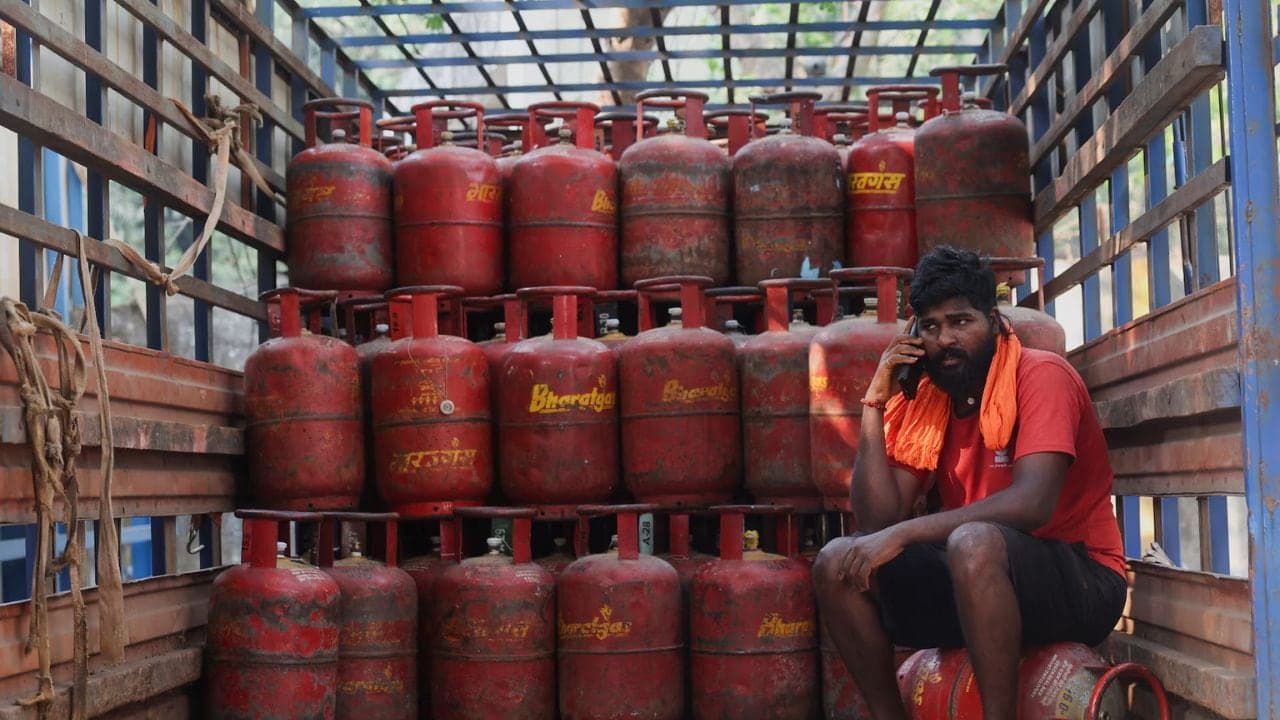
Every time the calendar approaches the first day of a new month, searches spike around LPG prices, refill rules, subsidy conditions, and booking limits. This time, "May 1 LPG rule changes" has become a high-interest query across India, helped along by headlines that suggest a major reset is about to happen.
But when you separate official documents from fast-moving viral summaries, the picture is more nuanced.
As of April 28, 2026, I could verify that LPG pricing is still updated through the standard oil-marketing-company system, that domestic consumers remain subject to existing refill caps, and that PMUY beneficiaries do have an active eKYC requirement tied to subsidy eligibility. What I could not verify from official Ministry or oil-company sources was a single nationwide notification announcing an entirely new domestic LPG rulebook starting on May 1, 2026.
That distinction matters. For readers, the real question is not whether May 1 sounds dramatic. It is whether anything officially changes on that date that affects price, eligibility, booking, or delivery.
Why This Topic Is So Relevant Right Now
The interest is understandable for three reasons.
First, LPG prices are commonly watched at the start of each month because oil marketing companies can revise rates then. That makes May 1 a genuine watch date, especially after the price volatility seen in recent weeks.
Second, consumers are dealing with a mix of older rules and newer digital processes, including refill booking through apps, portals, and online payment systems.
Third, PMUY users have a practical concern that goes beyond headlines: if subsidy-linked compliance steps are missed, the impact can be immediate for the household budget.
So yes, the topic is real. The problem is that many summaries blend confirmed policy, routine monthly price review, and unverified "new rules" claims into one story.
What Is Officially Confirmed Before May 1
1. Domestic LPG prices are already published through official company price pages
Bharat Petroleum's official LPG price page lists the 14.2 kg domestic non-subsidized cylinder at the following metro prices with an updated date of April 1, 2026:
| City | 14.2 kg domestic cylinder |
|---|---|
| Mumbai | Rs 912.50 |
| Delhi | Rs 913.00 |
| Chennai | Rs 928.50 |
| Kolkata | Rs 939.00 |
That does not prove what May 1 pricing will be, but it does confirm the mechanism consumers should actually watch: the monthly price update cycle used by oil marketing companies, not rumor posts forwarded on social media.
2. Domestic refill and subsidy-related limits already exist
BPCL's January 2026 Citizen Charter says domestic consumers remain entitled to 12 subsidized 14.2 kg cylinders or 34 subsidized 5 kg cylinders in a financial year. The same document also notes a cap on bookings beyond 2 refills per month and 15 refills per year, with an extra-refill request path for customers who need more.
This is important because some recent stories present refill control as a brand-new May 1 change. Based on the official consumer charter, refill limits are already part of the current LPG system.
3. PMUY biometric Aadhaar authentication is mandatory
The Pradhan Mantri Ujjwala Yojana FAQ states that biometric Aadhaar authentication, or eKYC, is mandatory for connections enrolled under the PMUY scheme. The PMUY eKYC page also provides the current face-authentication route through oil-company mobile apps plus Aadhaar FaceRD.
That means eKYC is not just a rumor item in the May 1 discussion. It is a verified, active compliance requirement for PMUY-linked consumers.

What I Could Not Verify as an Official May 1 Nationwide Rule Change
After checking official Ministry and oil-company consumer resources, I did not find a clear nationwide notification saying that, from May 1, 2026, India is introducing an entirely new domestic LPG rule framework across all users.
That means claims such as the following should be treated carefully unless an official circular appears:
- All consumers everywhere will face a newly imposed booking-gap rule from May 1.
- OTP delivery is becoming a brand-new compulsory rule nationwide from May 1.
- Domestic LPG connections are being frozen or stopped nationwide from May 1.
- A specific price hike has already been formally decided before the new month's official revision.
Some of these claims may reflect local operating practices, older rules being re-explained, or early speculation based on how monthly price review works. But they should not be presented as confirmed national policy without direct official backing.
What Consumers Should Actually Watch on May 1
Watch the official price boards first
The most practical development on May 1 will likely be the monthly LPG price update, not a surprise rewrite of the whole domestic rulebook. Consumers should check official price pages or their oil marketing company's app or portal before reacting to forwarded messages.
If you are a PMUY beneficiary, do not ignore eKYC
This is one of the few parts of the current discussion that is clearly verified. If your household relies on PMUY-linked subsidy support, make sure biometric Aadhaar authentication is complete through the approved channel.
Understand that refill limits are not a new rumor-driven invention
The existing consumer charter already refers to annual and monthly refill caps. So if a May 1 article frames refill restriction as a completely new shock policy, that framing is incomplete at best.
Treat delivery-process claims with caution unless your provider confirms them directly
Authentication steps may expand over time, but consumers should confirm delivery-related changes with their own provider or distributor rather than assuming every headline describes a uniform national rule.
Why This Story Matters Beyond One Date
The deeper story is that LPG in India is moving through a mix of price sensitivity, digital verification, subsidy targeting, and consumer-control mechanisms. That combination affects household budgets, convenience, and trust.
For readers, the real value is not just knowing whether a rumor is true on May 1. It is knowing how to tell the difference between a monthly price revision window, an existing rule that is being recirculated as news, a PMUY-specific compliance requirement, and a genuinely new nationwide policy announcement.
Conclusion
The phrase "May 1 LPG rule changes" is relevant because it points to a real public concern: price movement, refill access, and subsidy-linked compliance. But the verified picture is narrower than many headlines suggest.
As of April 28, 2026, the strongest confirmed takeaways are these: official LPG prices are watched through the monthly update cycle, domestic refill limits already exist in current consumer guidance, and PMUY eKYC is a real and active requirement. What remains unverified is the claim that a sweeping new national LPG rulebook is definitely taking effect on May 1, 2026.
Until an official notification says otherwise, consumers should check the oil-company price boards, complete required PMUY verification steps, and treat viral "new rule" lists with caution.
Verified Relevance Information
- Search interest is high because May 1 is the next routine monthly checkpoint for LPG price revision.
- The topic matters to domestic consumers because refill limits and subsidy-linked compliance affect real household costs.
- PMUY eKYC is officially active and therefore directly relevant to readers who receive LPG-related support.
- The absence of a clearly published nationwide May 1 rule notification is itself relevant because it changes how the story should be framed.
Sources
- BPCL: LPG prices
- BPCL: Citizen Charter, January 2026
- PMUY: FAQ
- PMUY: eKYC page
- Moneycontrol: May 1 price-watch background